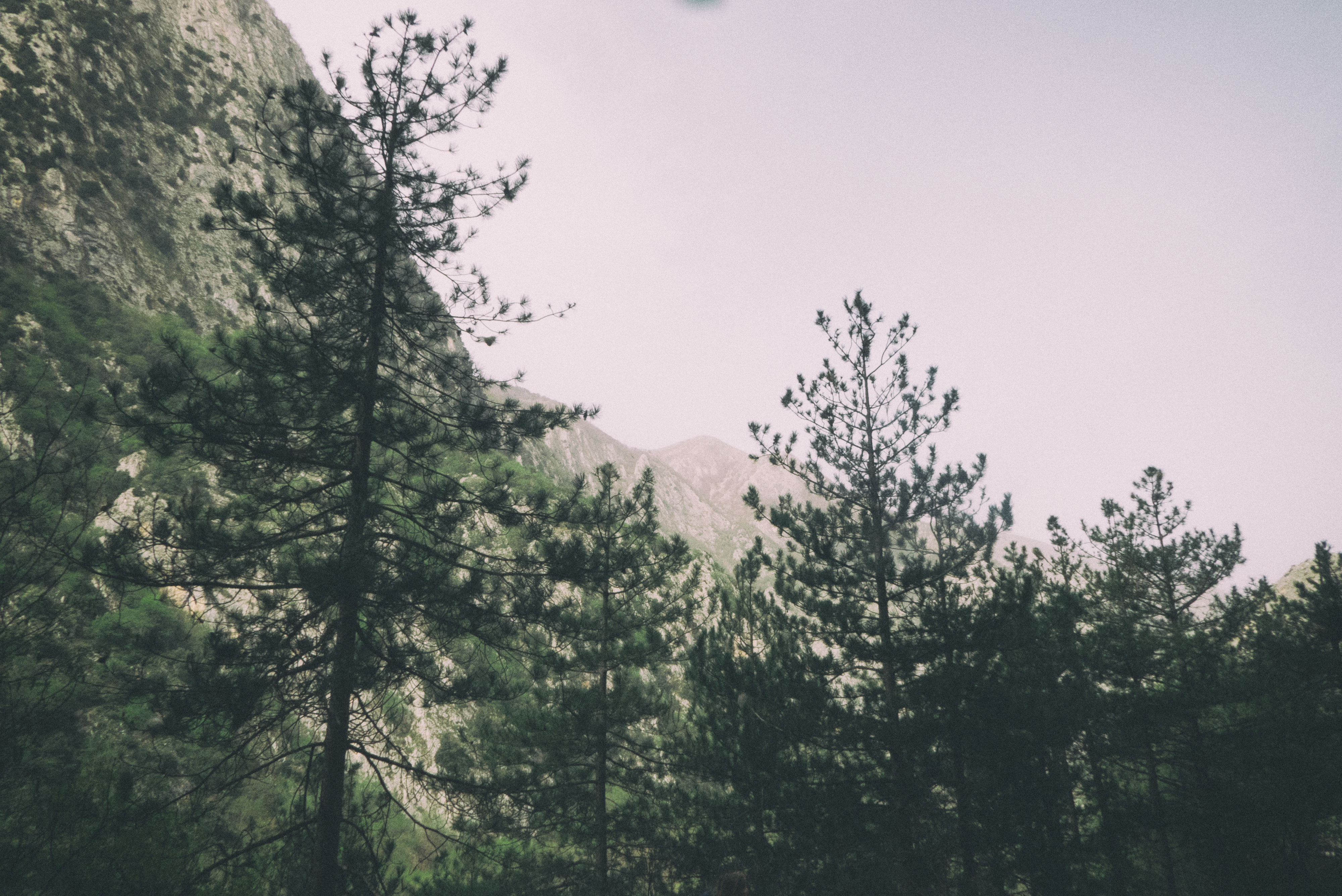
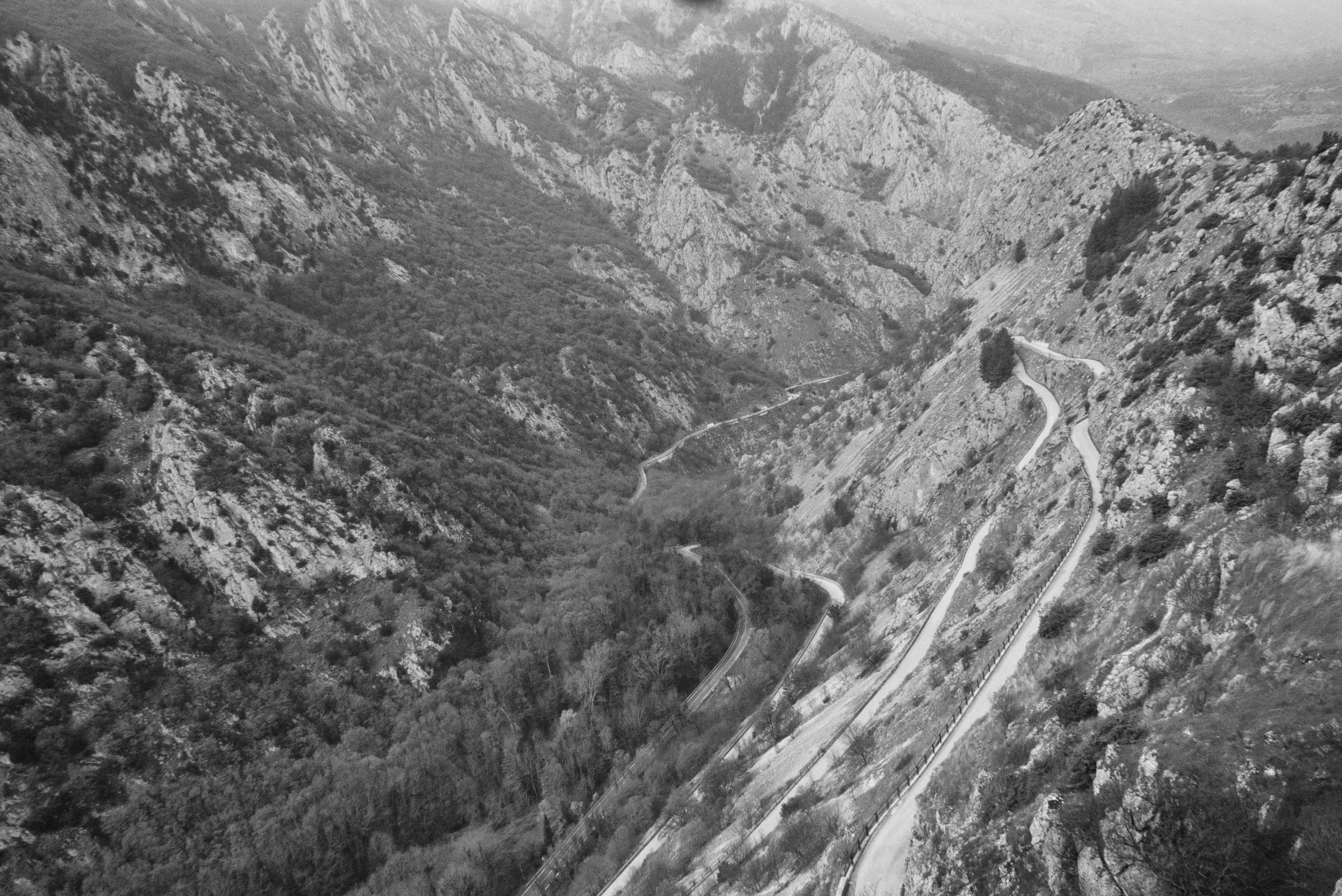
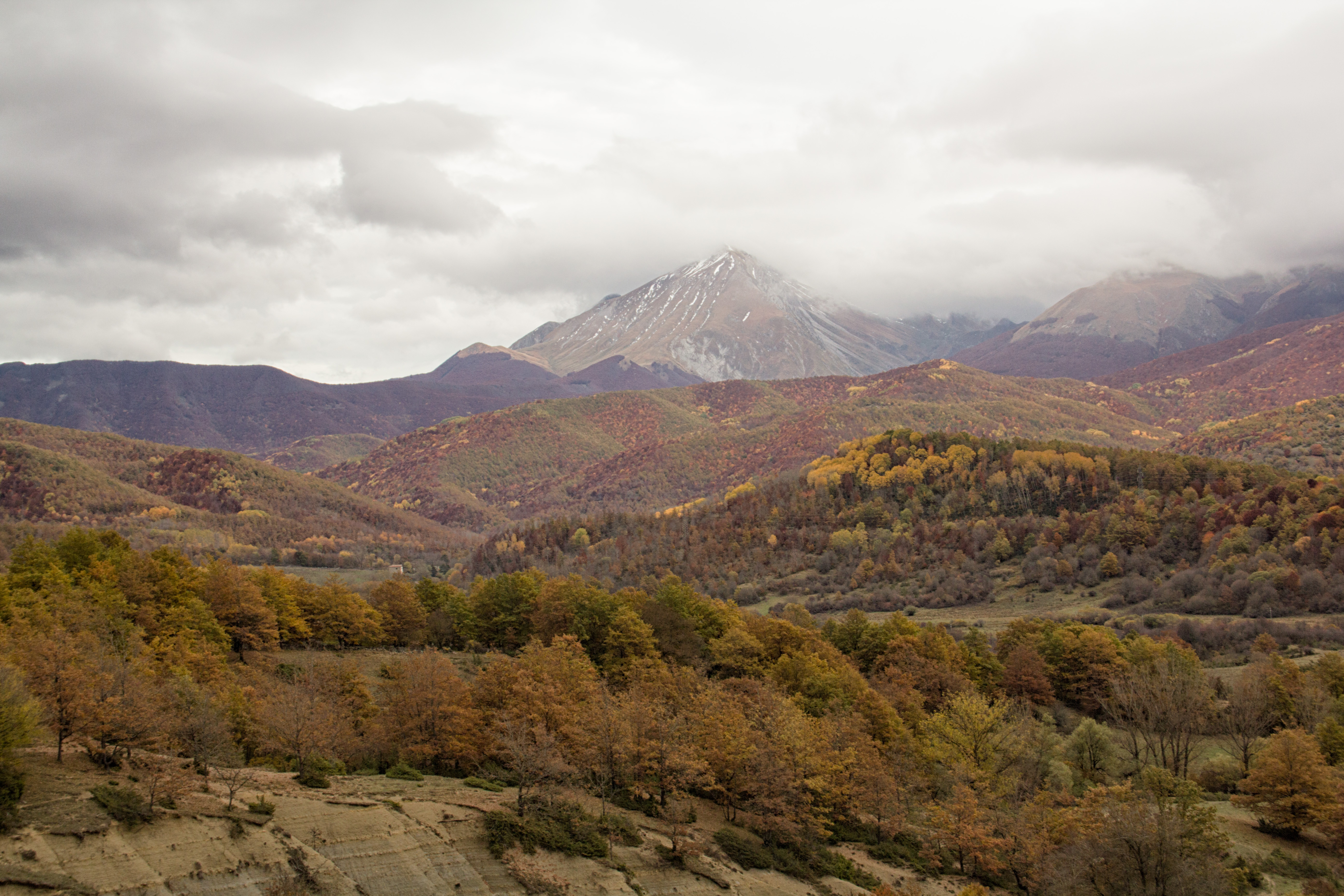
One of the great things about living in Rome is the diverse landscape all within two hours from the center. From sandy beaches to volcanic lakes, rolling hills and thermal baths, peaceful countryside and historic medieval hilltop villages to finally rugged mountains and wild national parks. These last ones to be found in neighboring Abruzzo, a region with not one but three national parks and the great Gran Sasso, the highest peak in the Apennines and second highest in Italy at 2,912 m (9,554 ft).
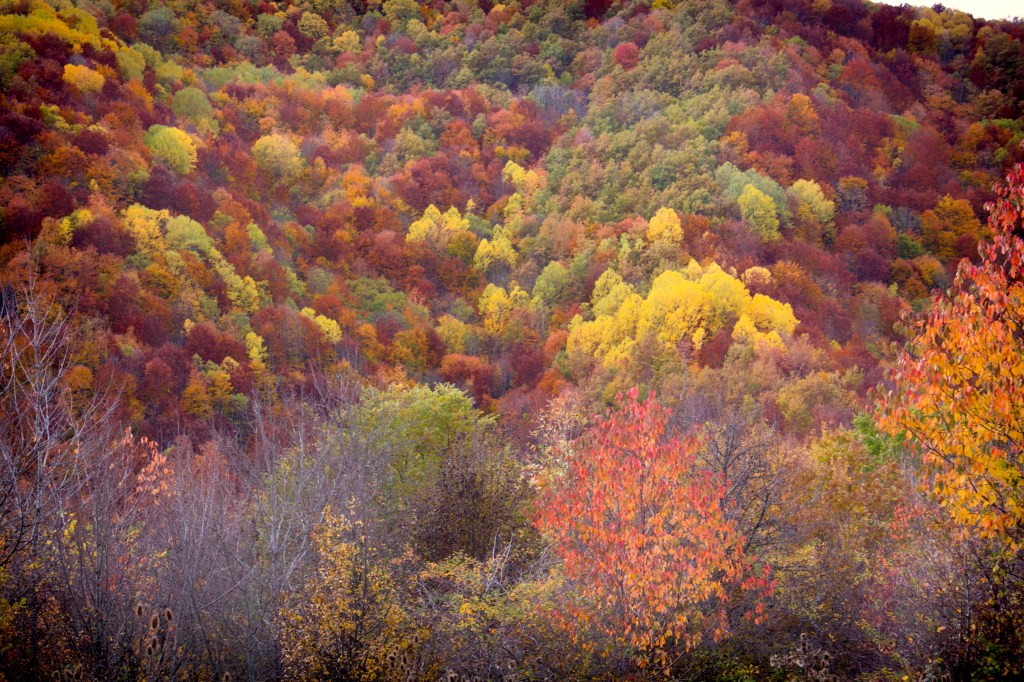
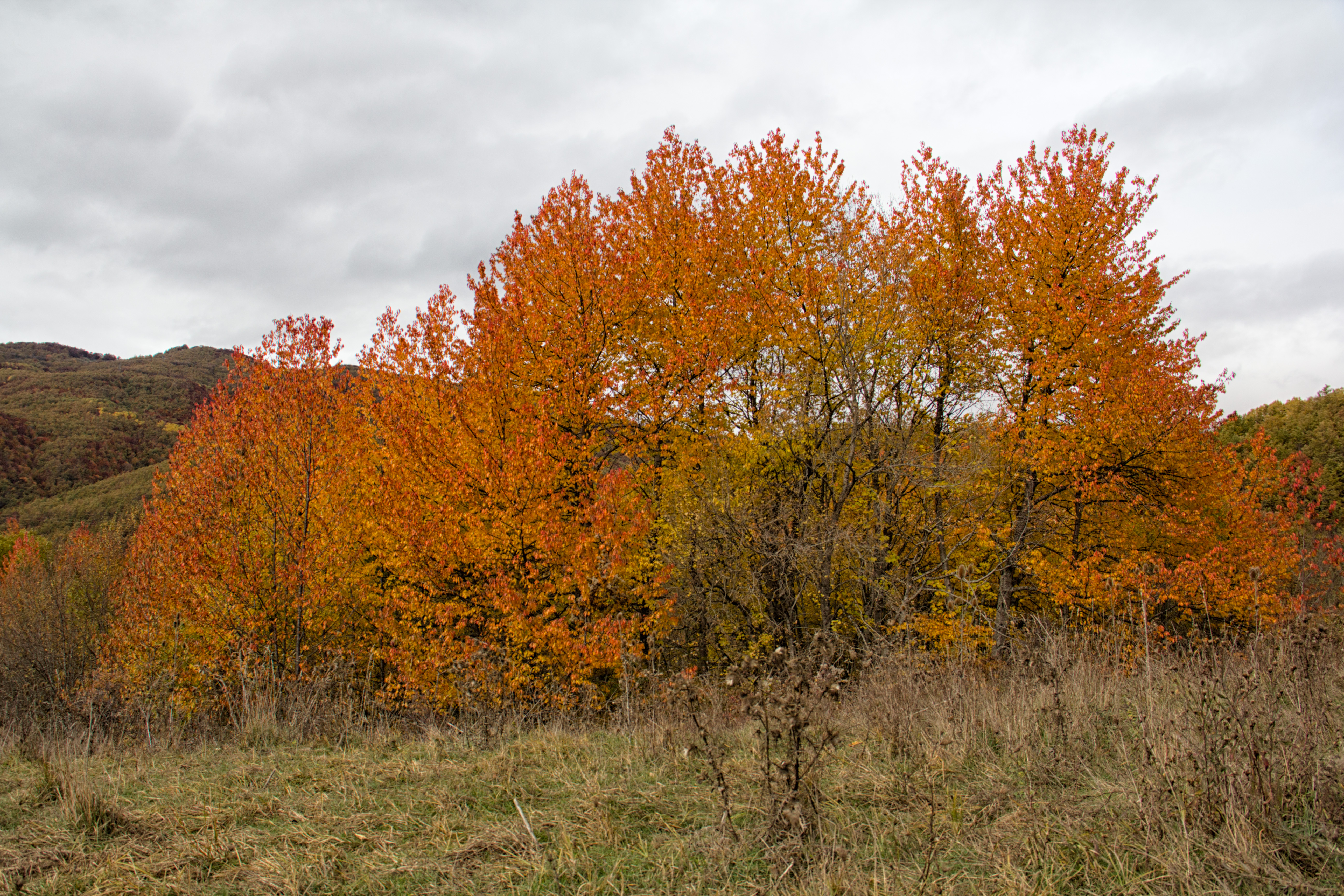
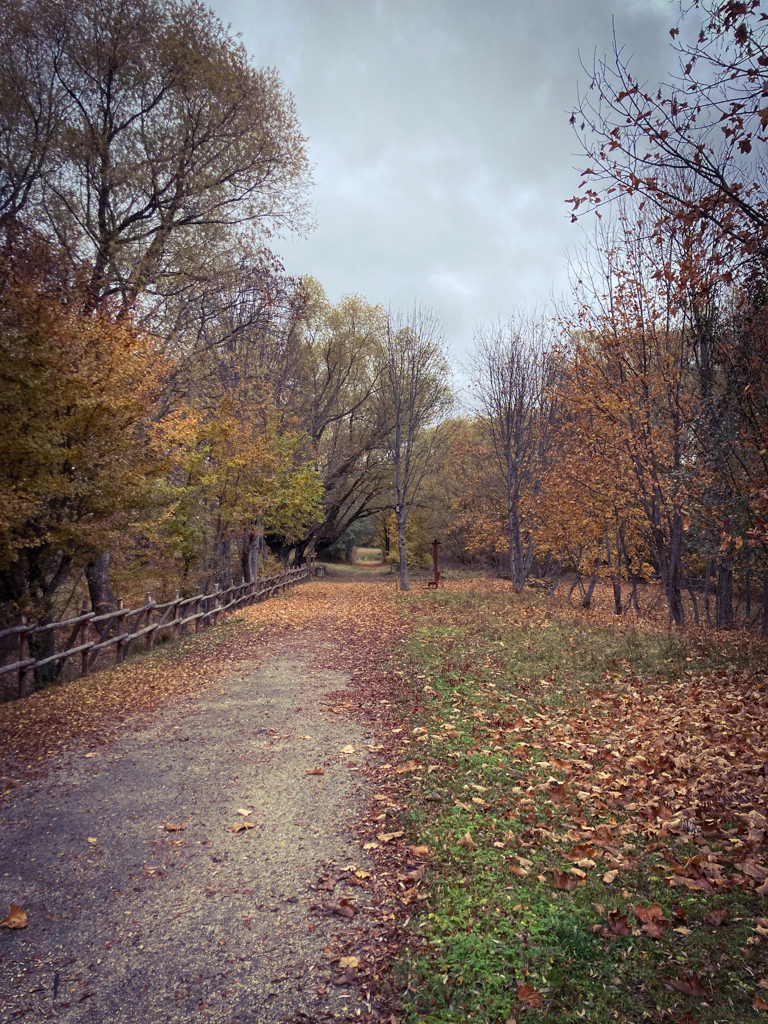
Every year to kick off the winter season, I take a day trip to this region to see mountains and snow, as well as eat some meat – the typical food of Abruzzo. This year, when a long holiday weekend happen to fall on Halloween, a time of peak fall colors, I made it my mission to spend several days there.
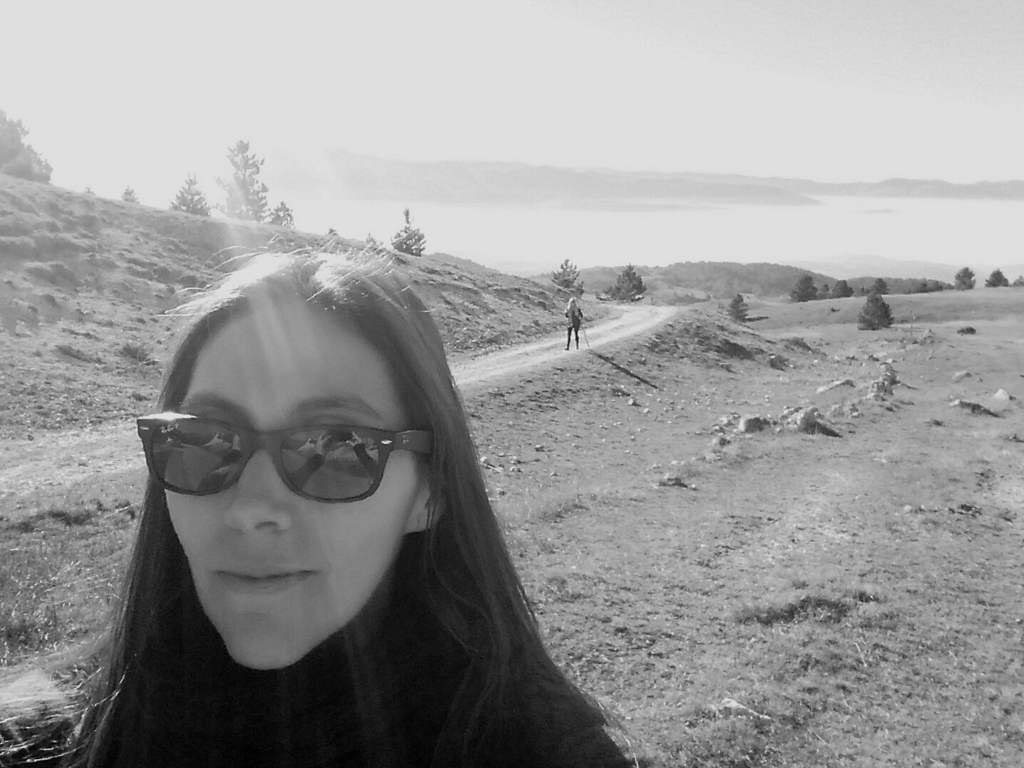
Every time, I find it exhilarating turning the corner on the highway and being faced with the mountains only an hour after having left the chaos of the city. It enthralls me with energy. For me, there’s nothing more liberating than hitting the road, and driving into the mountains is especially freeing. It brings me a sense of peace like nothing else, something magical.
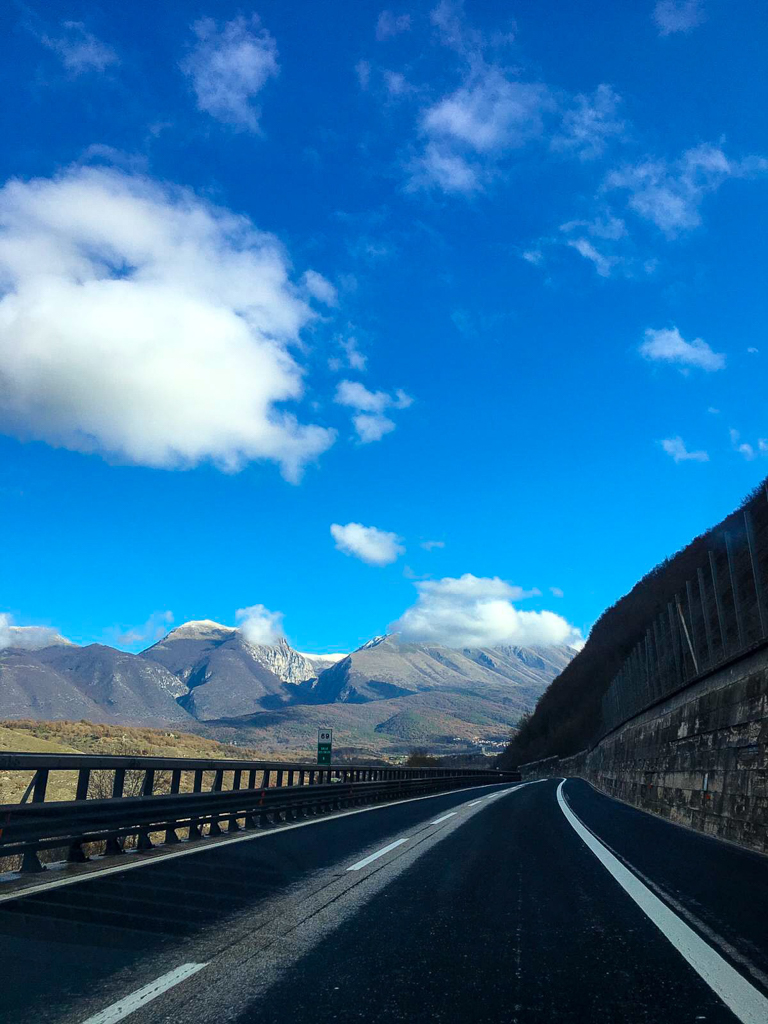
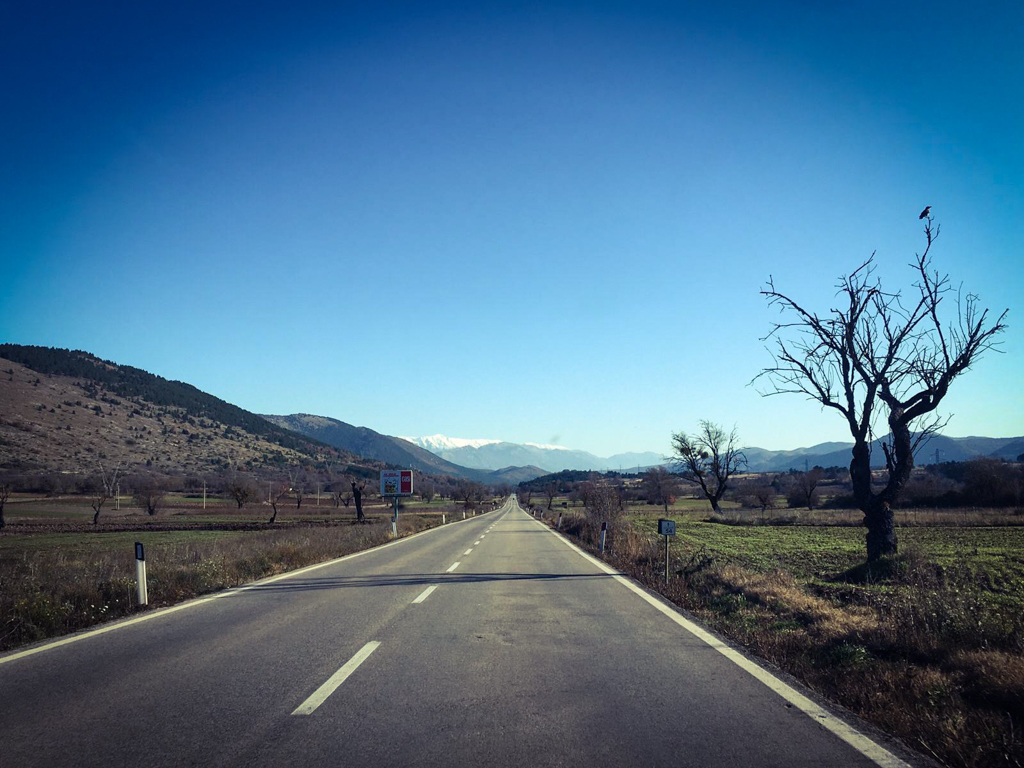
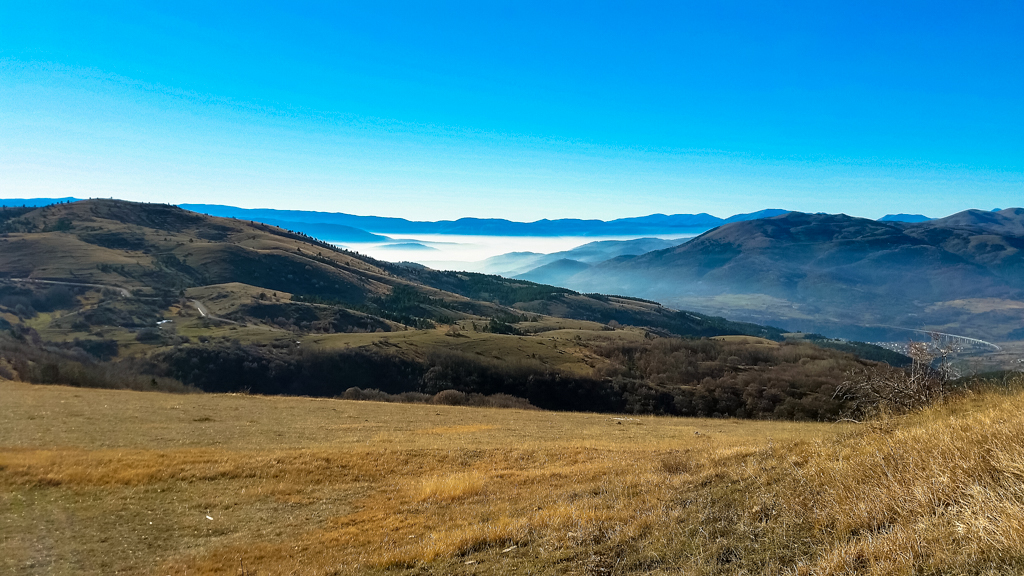
In the winter, one of the closest ski resorts near Rome is the plateau of Campo Imperatore, which sits below Gran Sasso (translates to the Big Rock). There’s a cable car that takes you up there in the winter; at other times of the year, you can drive up the curvy road, park the car at the Observatory, and start your hike up. There’s a nice path further in that takes about three hours but I later learned it should be done in the summer – I tried on Halloween and had to turn back as there was quite a bit of snow and it was very cold and windy, making it unbearable.


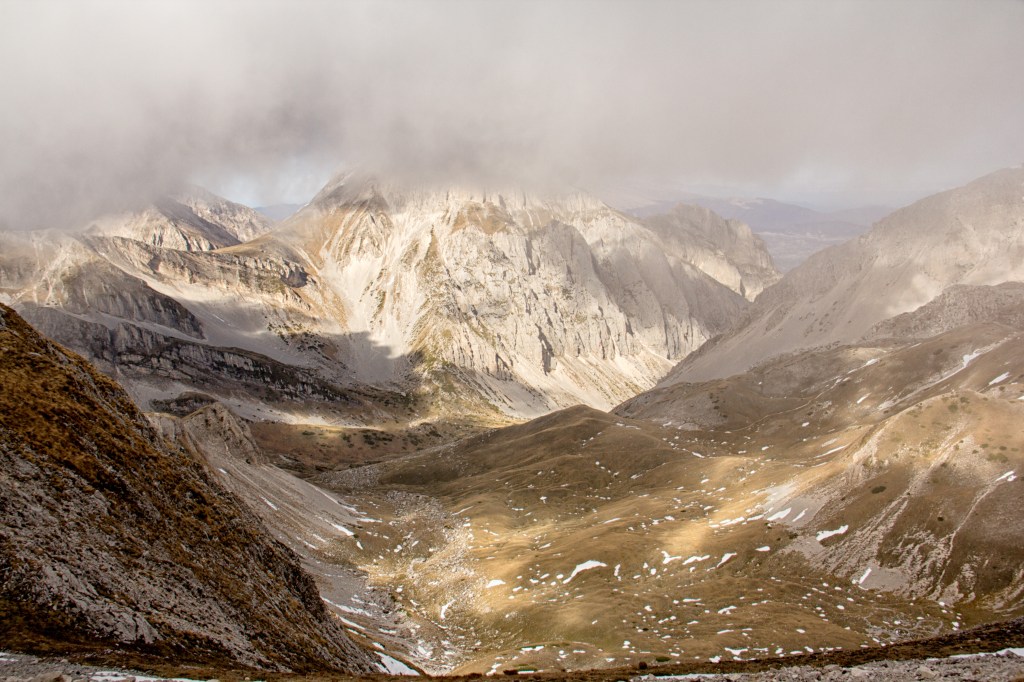
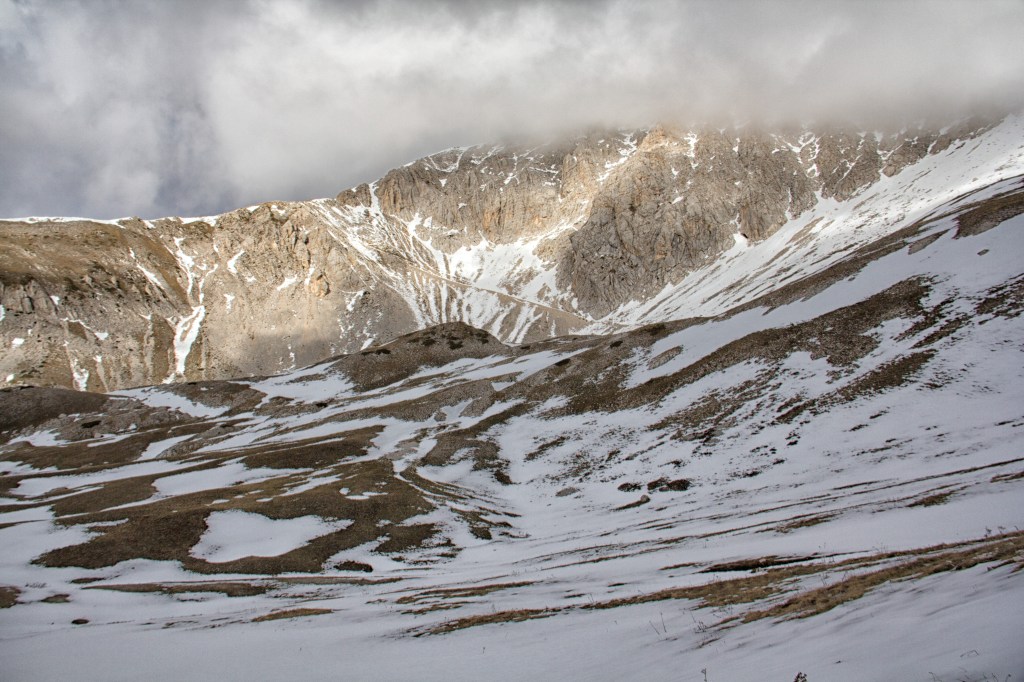
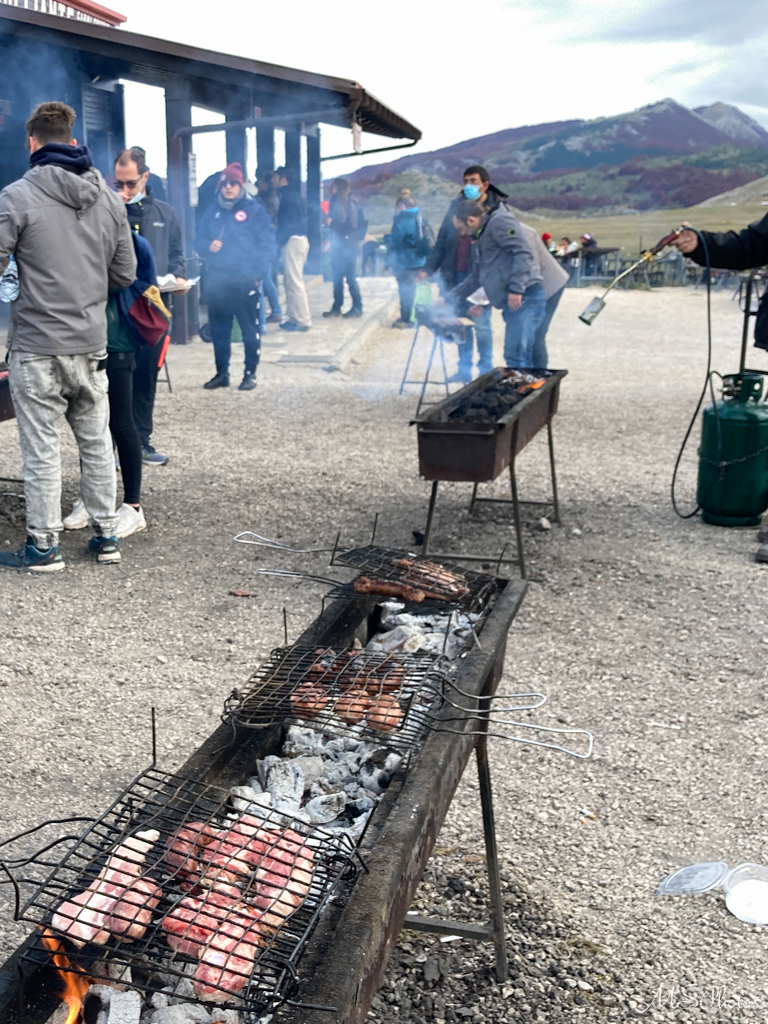
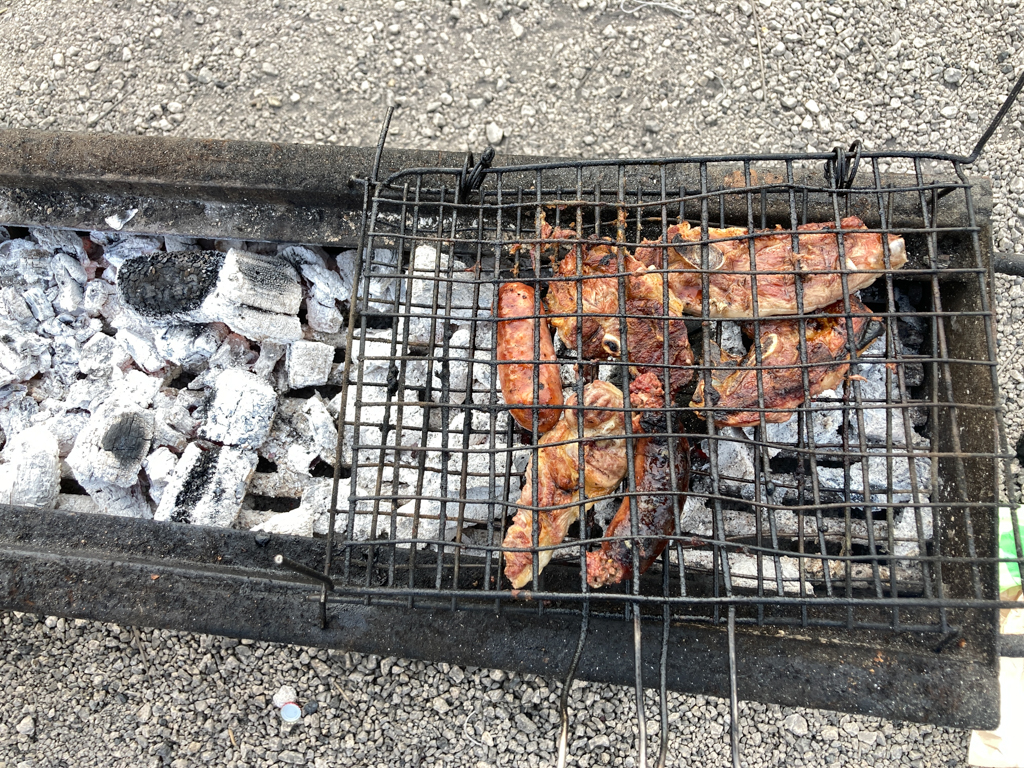
For lunch break, there are the so-called “Macelli” throughout the area where you can buy your own cured meats, cheese, and most importantly meat to grill yourself outside overlooking the meadow, a landscape which reminded me a bit of Vermont. I’ve always compared the Apennine Mountains to the Appalachian and the Alps to the Rockies, though Gran Sasso with its dolomite peak almost seems part of the Alps.
Abruzzo is an area that lies on a major fault line, thus experiences frequent earthquakes, some so strong that they’ve have caused destructive damage to the towns in the area.
There are many small abandoned villages, and the most suggestive and best known one of all is Santo Stefano di Sessanio, near the high plain of Campo Imperatore.

Further down is Calascio with its Rocca Calascio, an abandoned fortress sitting atop the mountain and overlooking the valley. One of the most beautiful and evocative sights in the area.
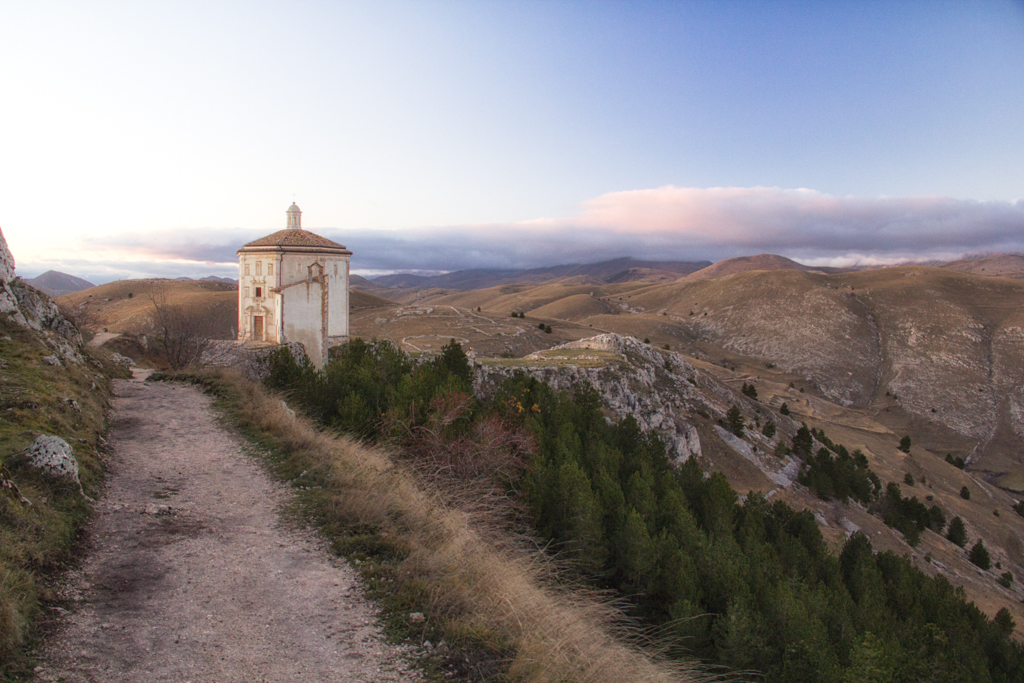
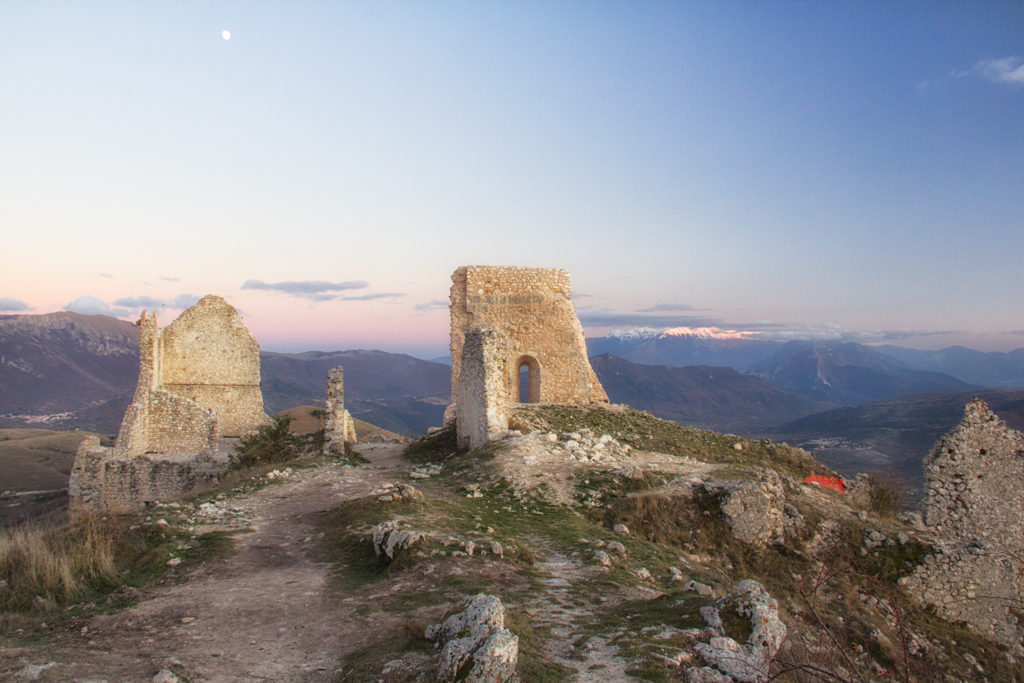
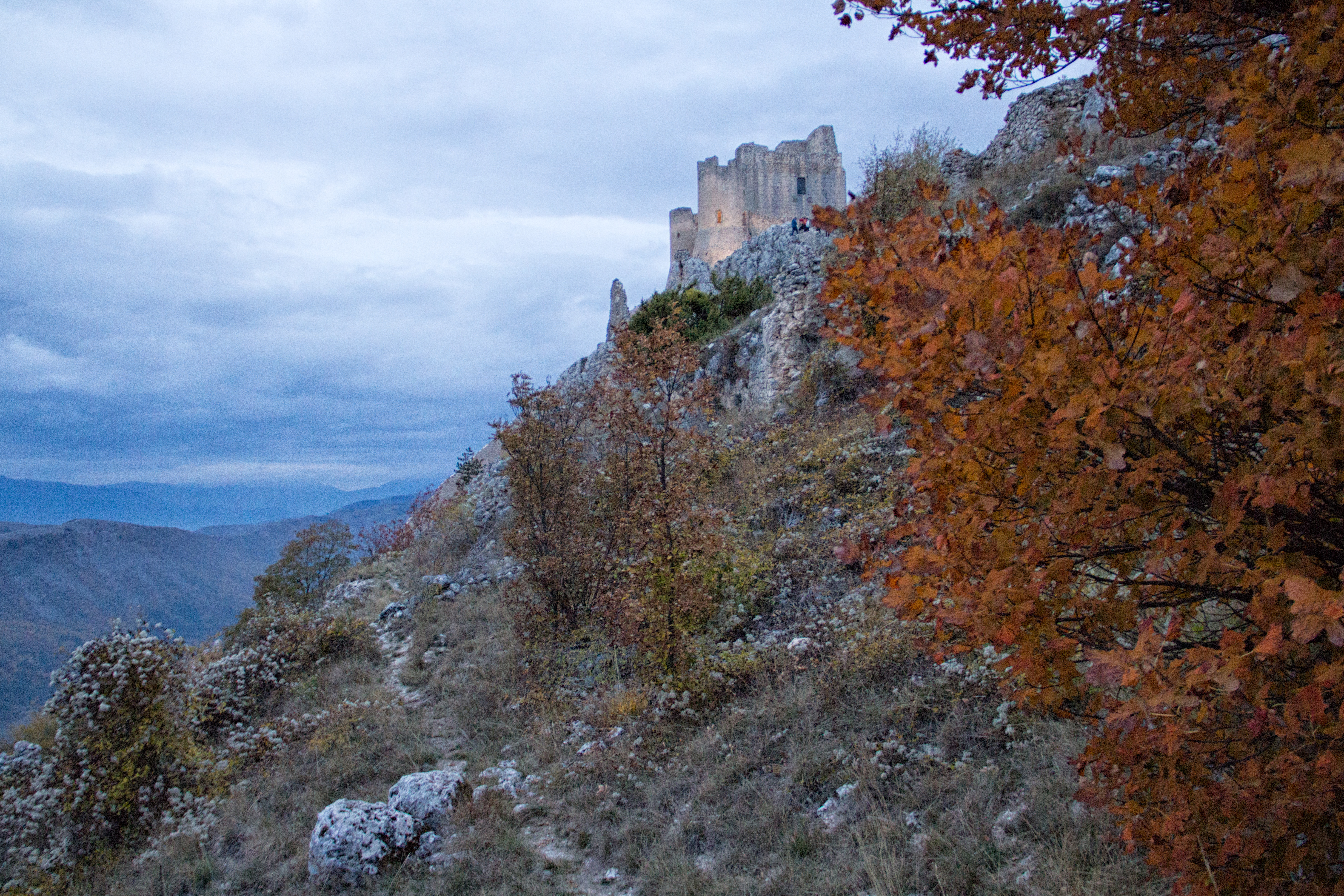
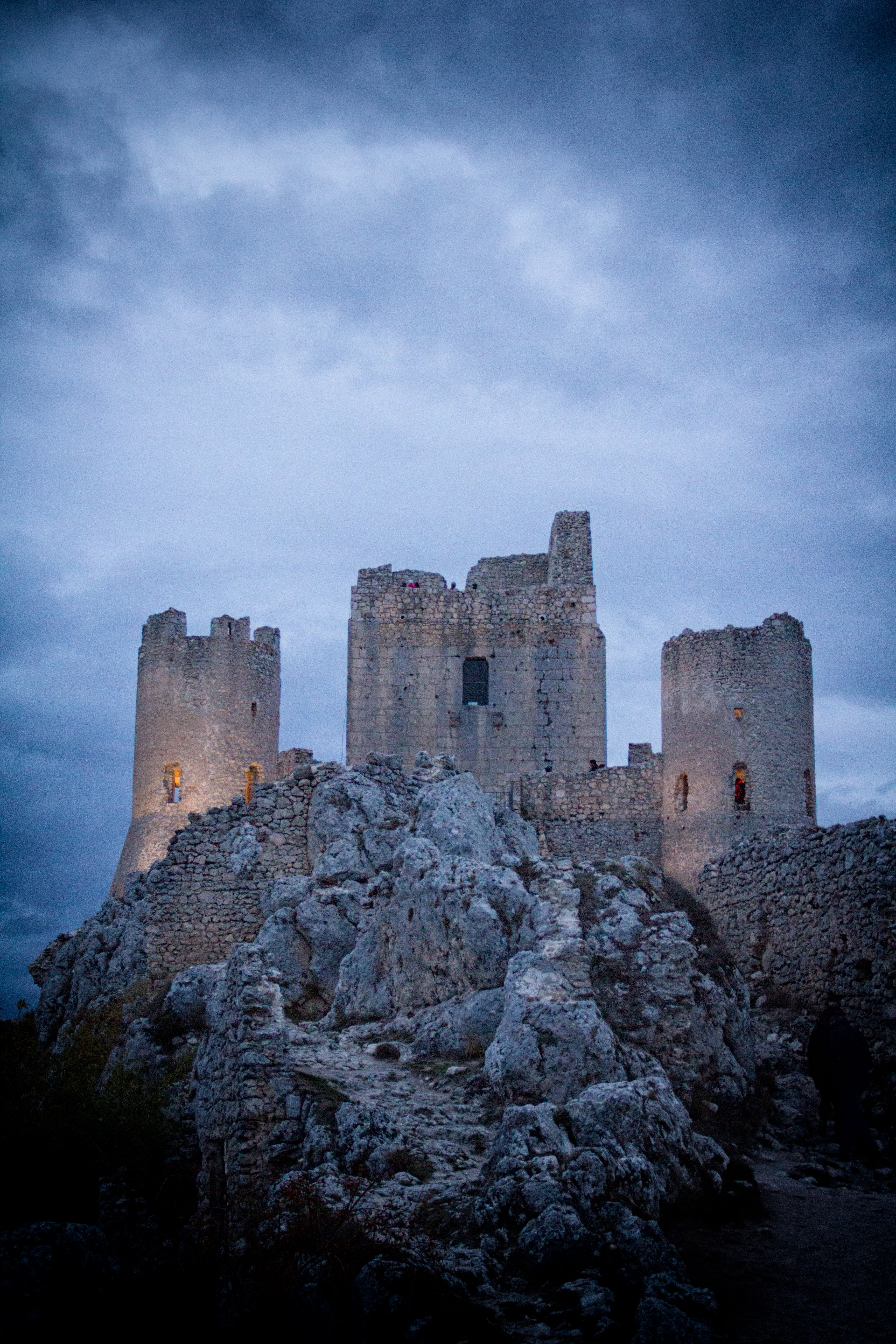
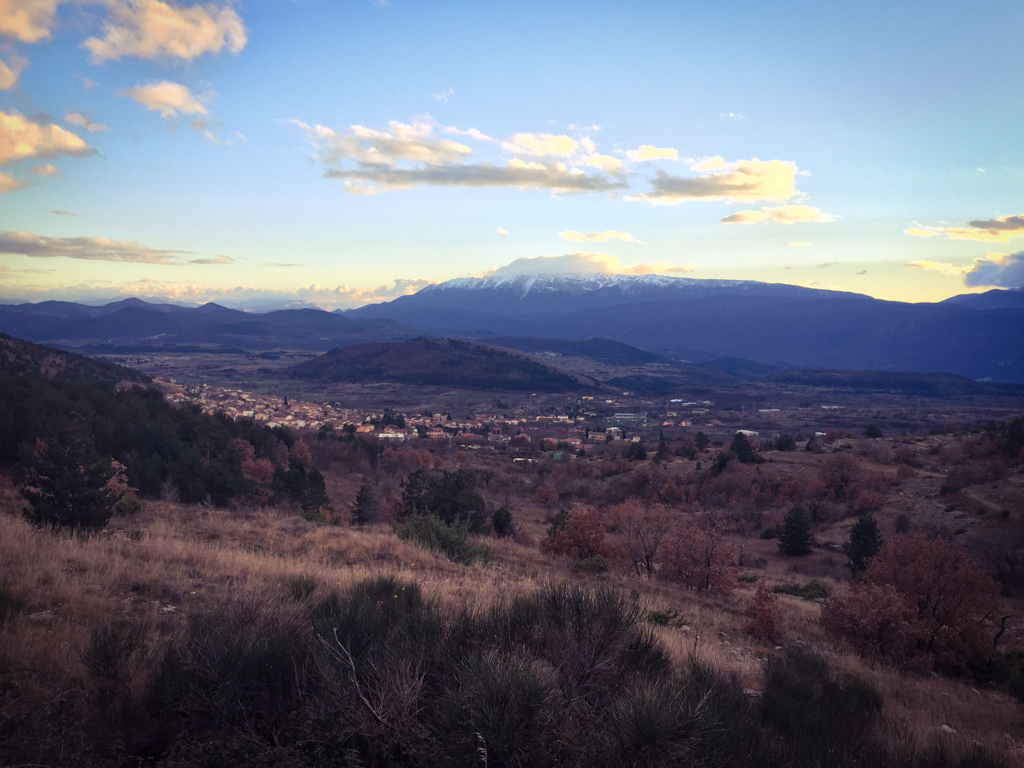
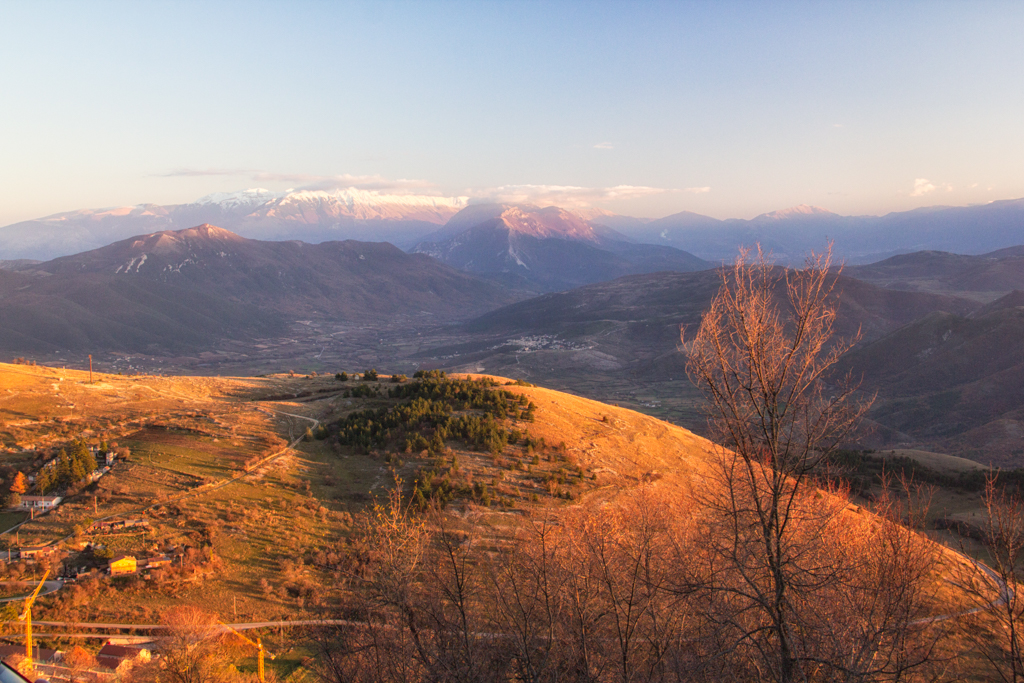
The last trip I took to this area, I slept in another one of these small villages affected by one of the last major earthquakes: Assergi, a town where only five families currently live. It felt like we were the only people not only in the town but also in the entire nearby area. Driving for miles, there were no other cars sharing the road with us. It felt like the perfect place to be in for a Halloween weekend actually – very desolate.
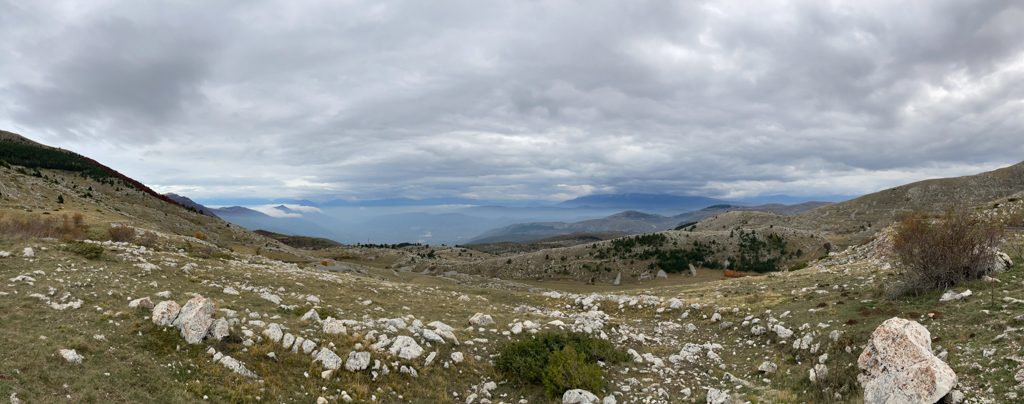
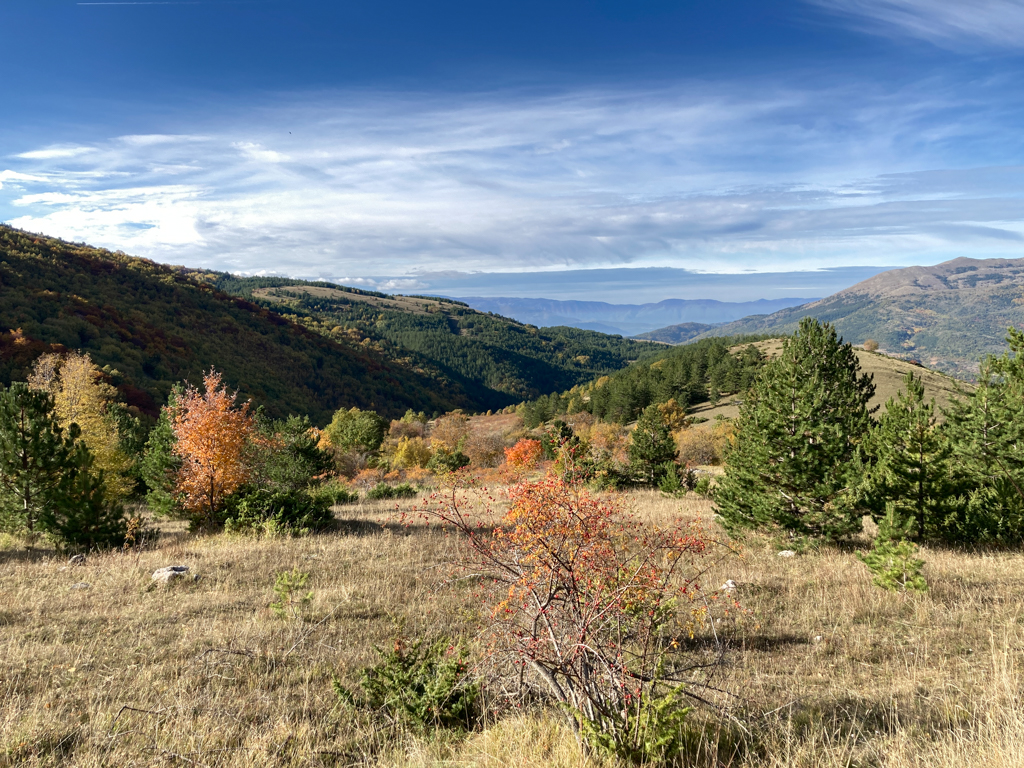

At night, however life could be found in nearby Aquila, the elegant capital city of Abruzzo devastated by the earthquake of 2009 and just now starting to regain life, even though many buildings are still being held up by steel braces to avoid collapse as restoration to the town continues.
South of L’Aquila, another park not as grand but still worthwhile checking out is Sirente-Vellino Regional Park. From the top you can see the aforementioned mountains in the distance.


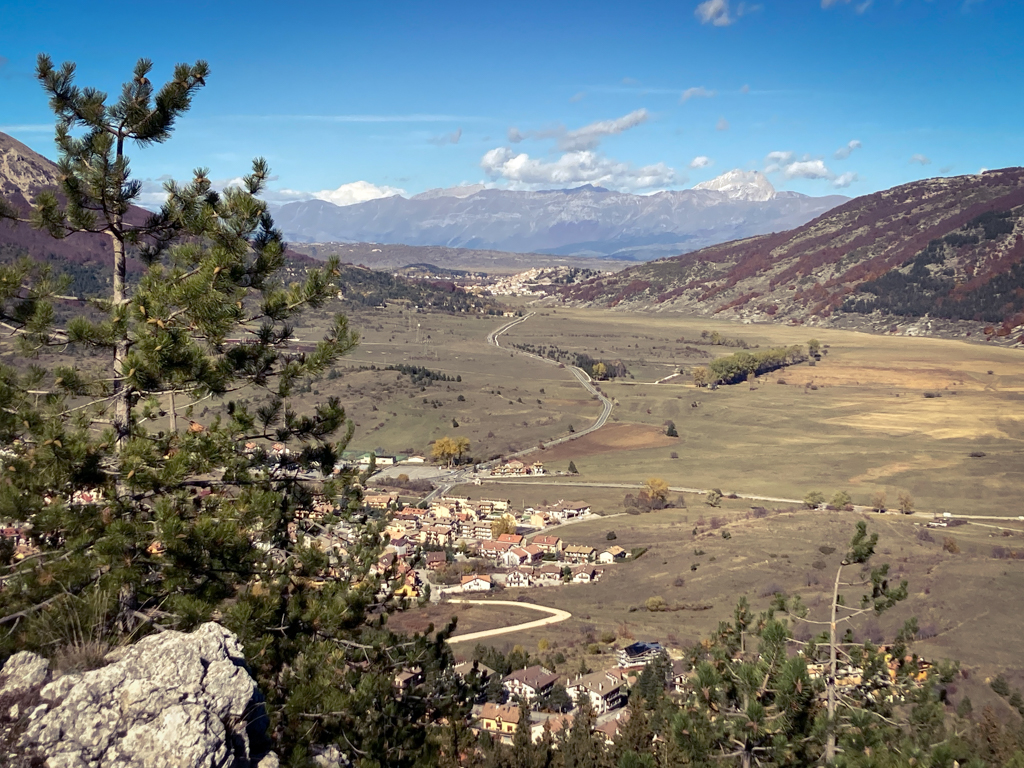
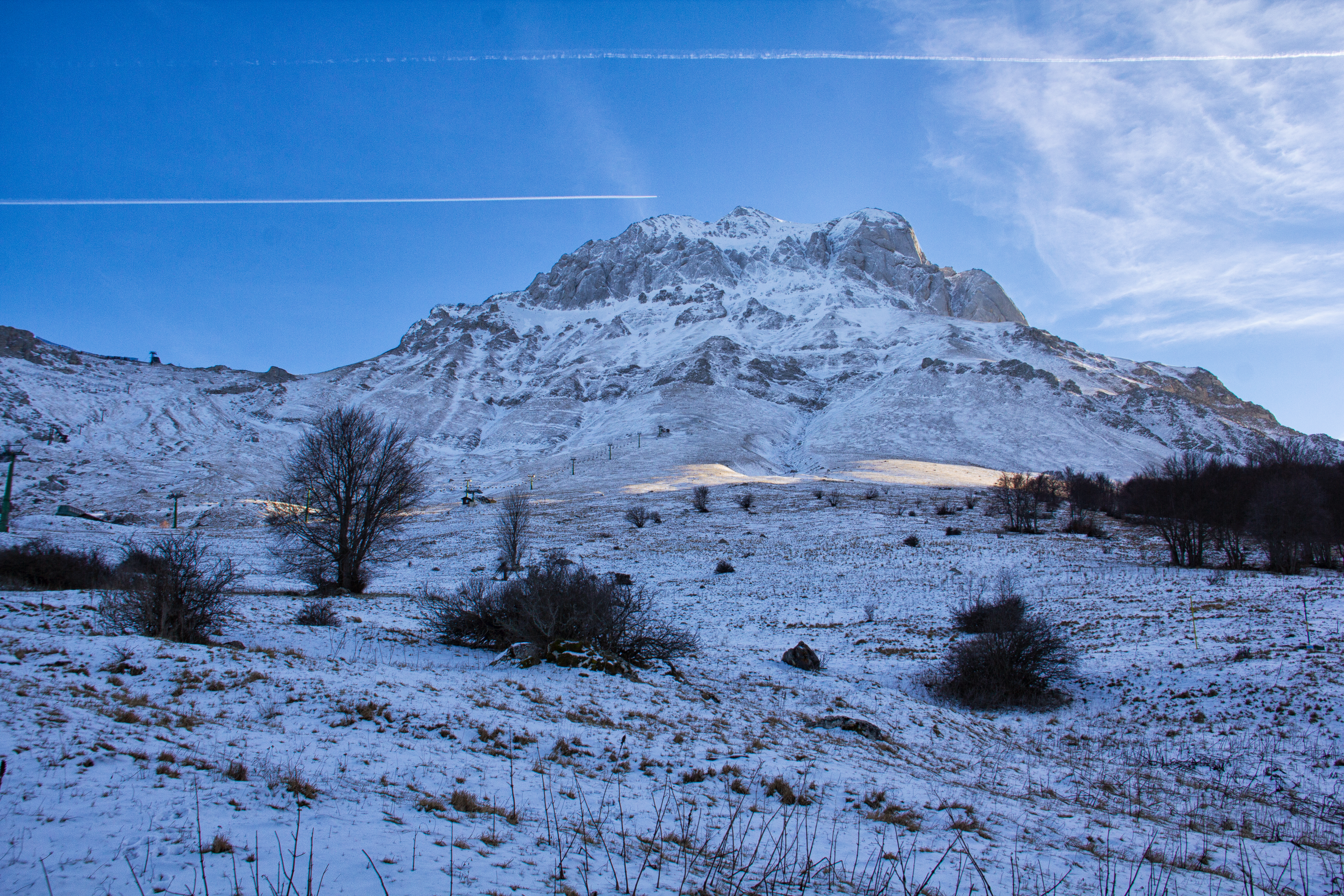
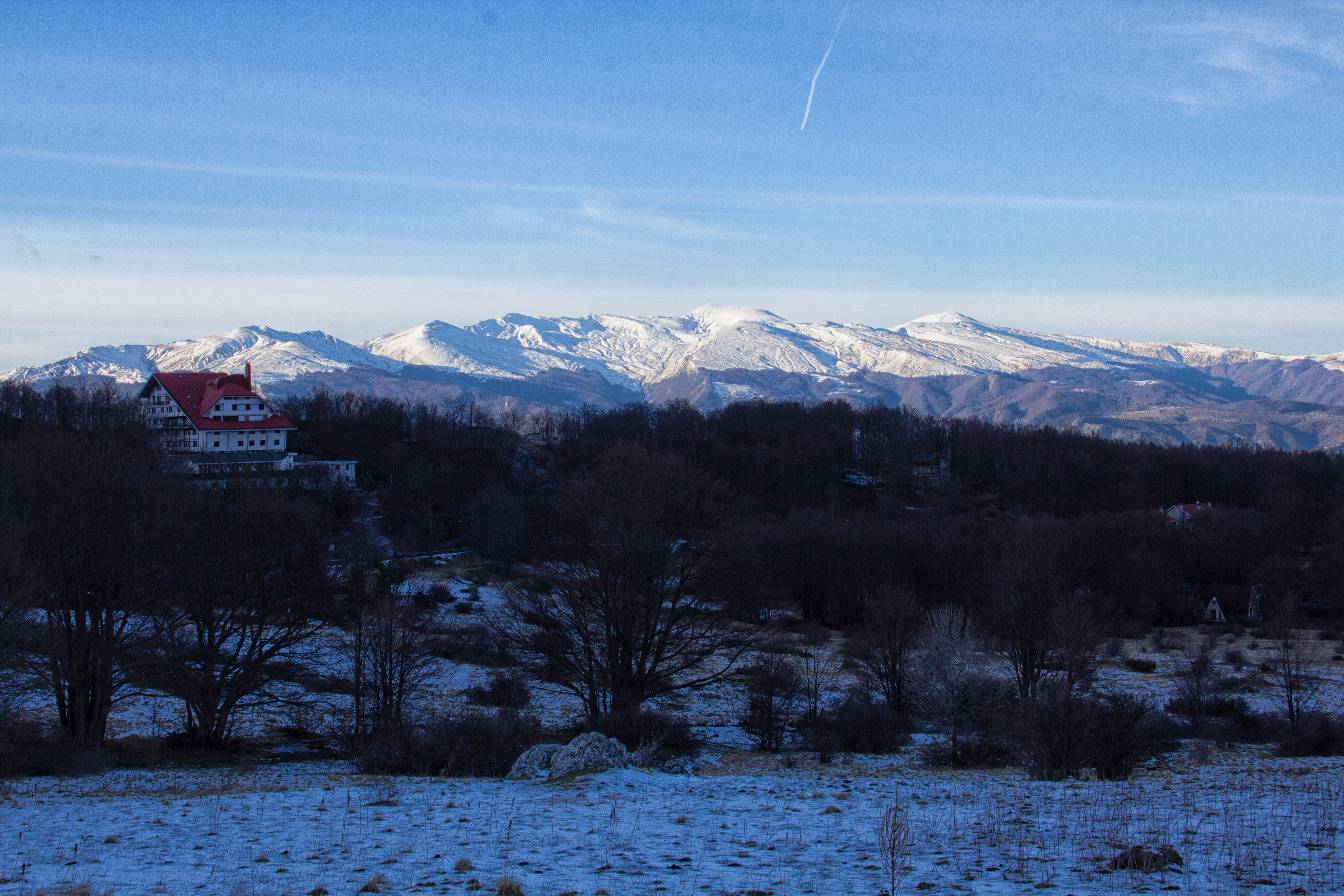
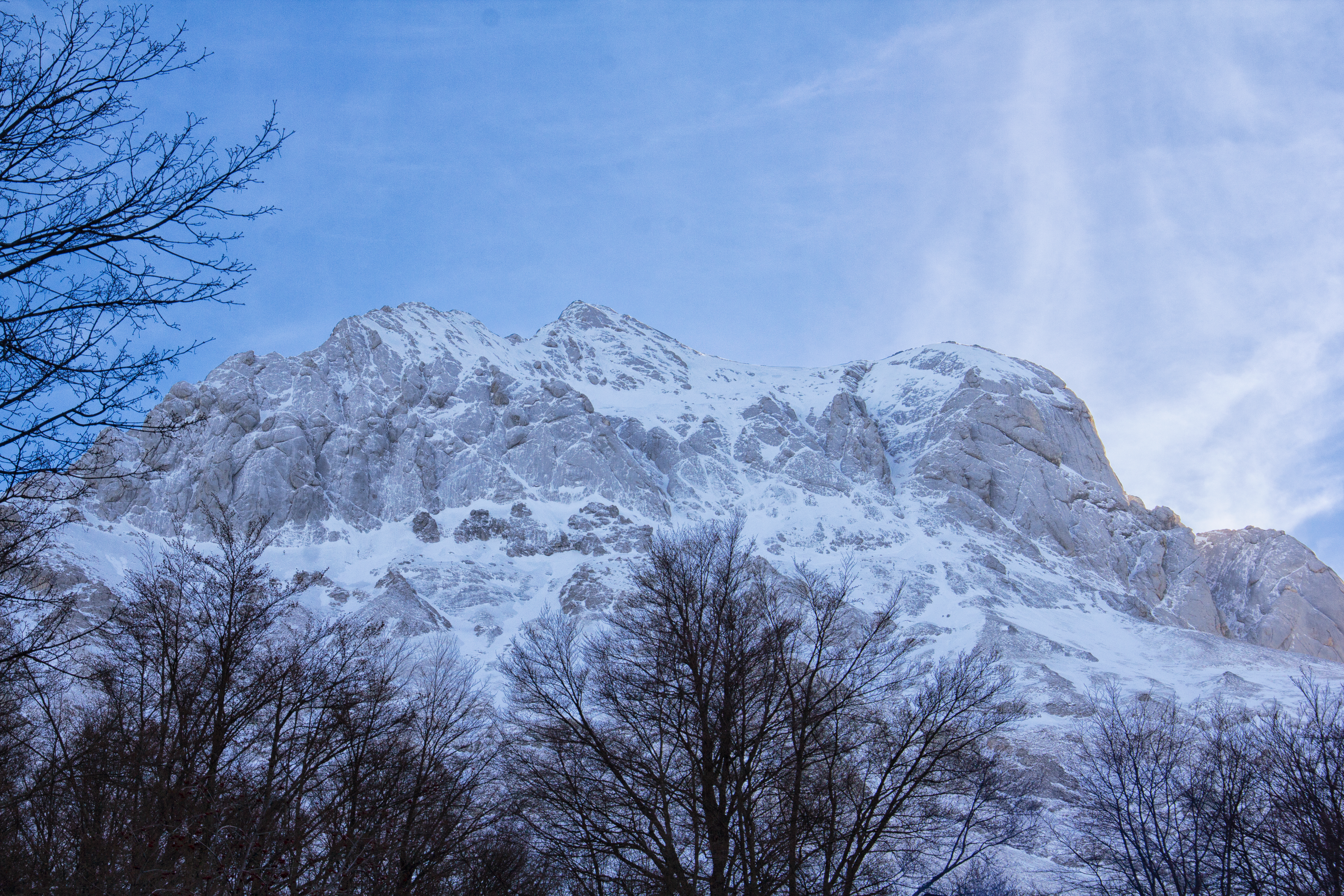
This winter when snow was lacking everywhere, I went in search of it and found it in the back side of Gran Sasso, in Prati di Tivo. The ski lifts were empty and the town deserted, giving it an extra special atmosphere.
[Note: These are my photos and experiences of this magnificent area that I’ve gathered throughout the years. In this post, I covered the northern part of this region, only because it’s the one closest to Rome and therefore the one I’ve explored. In the future, I’ll have to visit the southern part and report back so stay tuned…]
Discover more from Monica's Travels
Subscribe to get the latest posts sent to your email.
 Monica's Travels